

Understanding young people’s experiences can be one of the biggest challenges for those working in education, social care, and youth services.
Paul Leahy’s early life was shaped by loss, chaos, and the pressures of his environment.
By the time he was a teenager, he had already experienced arrest, the death of his twin brother, and immersion in youth gang culture. Now working at Cornerstone VR with a focus on education, Paul reflects on how those experiences inform his work supporting young people and the professionals who guide them.
Finding Belonging in the Wrong Places
For Paul, the gang offered a sense of belonging that he wasn’t finding elsewhere.
drug dealing, even violence. We thought we were invincible together, and there was no guidance or support
from schools, parents, or social services."
The Path to Insight
Looking back, Paul can see how early intervention and understanding might have made a difference. He believes the key is for adults to recognise the complex challenges that young people face, even when they aren’t obvious.
For Paul, this awareness isn’t just about preventing risk, it’s about empathy. His lived experience allows him to connect with young people who are facing similar pressures today.
From Lived Experience to Learning
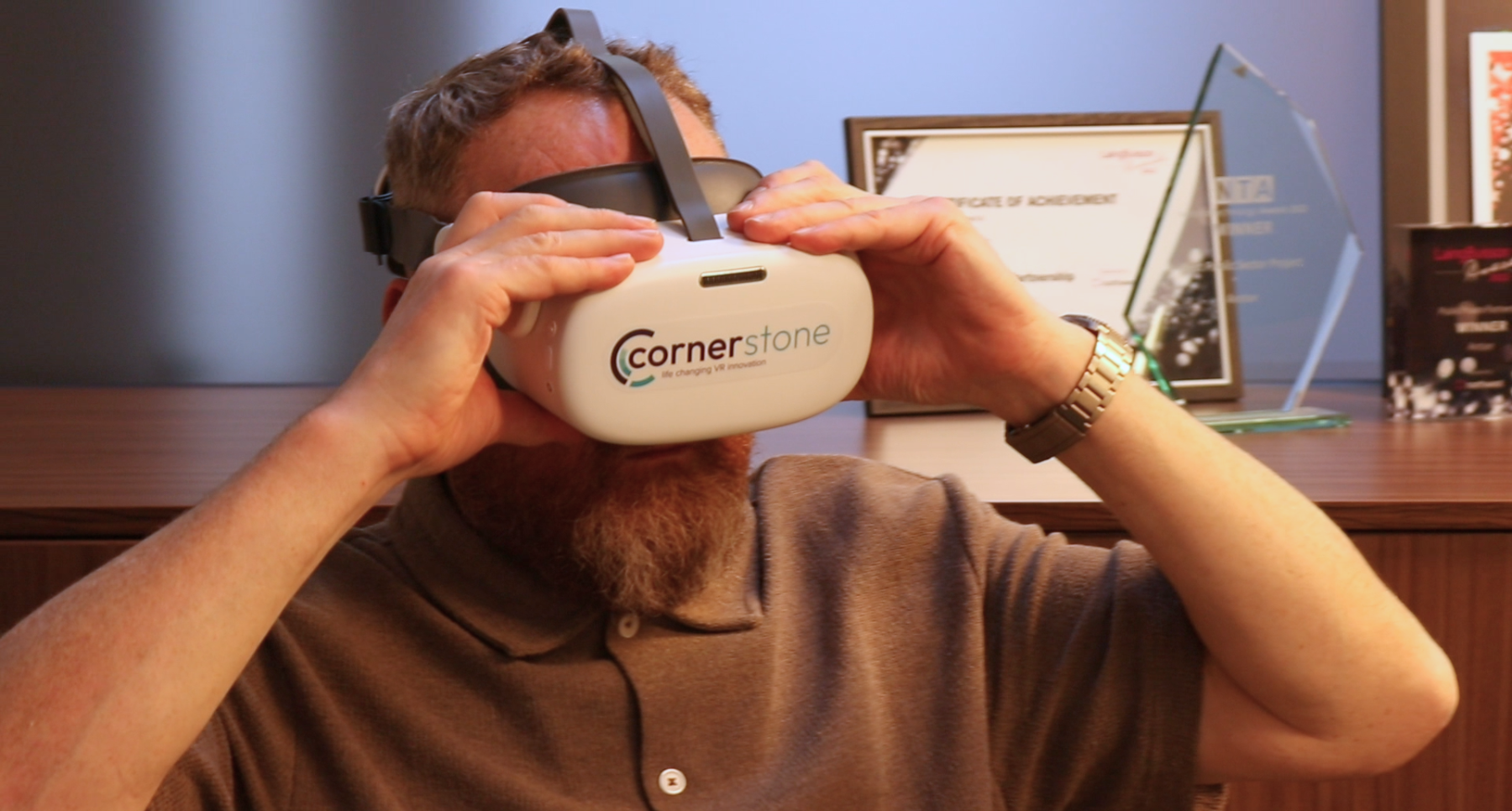
Paul sees immersive learning and technology, such as Cornerstone VR’s knife crime and exploitation virtual reality films, as a way to translate understanding into action.
Beyond young people, Paul believes virtual reality can help teachers, tutors, and carers develop emotional insight and practical understanding of the challenges adolescents face. Experiencing these scenarios firsthand fosters empathy in a way that traditional classroom learning often cannot.
The Power of Mentorship
Despite the difficulties of his early years, Paul credits mentors and positive role models for helping him find a new direction.
Now, Paul channels that experience into working directly with education providers, sharing lessons from his youth while supporting immersive learning programs that allow others to step into a young person’s perspective safely.
Through his story, Paul highlights the importance of empathy, reflection, and practical understanding and shows how combining lived experience with immersive tools like VR can make a real difference for young people and the adults supporting them.